Trusted gardeners Enfield Lock regular garden maintenance
If your garden in Enfield Lock is starting to feel a little overwhelmed, you are not alone. Lawns grow faster than expected after a wet spell, hedges creep out of shape, weeds turn up overnight, and beds that looked tidy in spring can look tired by late summer. That is exactly where Trusted gardeners Enfield Lock regular garden maintenance makes a difference: consistent, practical care that keeps everything under control before small issues become bigger jobs.
In this guide, we will break down what regular maintenance actually includes, how dependable gardeners work, what to expect from the service, and how to judge whether a maintenance plan is genuinely good value. You will also find a checklist, a comparison table, and straightforward advice for choosing the right support for your garden. No fluff. Just the sort of detail that helps when you are deciding what to do next.
Why Trusted gardeners Enfield Lock regular garden maintenance Matters
Regular garden maintenance is not just about making things look tidy on a Saturday morning. It is the quiet, steady work that protects the shape, health, and value of your outdoor space over time. In Enfield Lock, where gardens can face damp spells, windy weather, heavy summer growth, and the usual British mix of sun one minute and drizzle the next, consistency matters more than heroic one-off efforts.
A neglected border does not usually become messy in one dramatic day. It happens gradually. A few weeds set seed. The lawn gets matted. Hedges spread wider. Ivy creeps into corners. Then suddenly the garden looks like it needs a full reset. That is frustrating, and honestly, it is avoidable.
Trusted gardeners bring reliability to that routine. They are there to keep the garden on an even keel, with enough attention to stop problems before they start. The real value is often what you do not see: healthier soil, better growth, fewer pest and weed outbreaks, and less pressure on the homeowner to catch up when life gets busy.
Expert summary: regular maintenance is the difference between a garden that is constantly recovering and a garden that actually stays in good shape. The work may look simple from the outside, but timing and consistency are doing a lot of heavy lifting behind the scenes.
If you want to explore the wider service picture alongside maintenance, it helps to review the broader gardening services available, especially if your garden also needs seasonal adjustments or occasional one-off work.
How Trusted gardeners Enfield Lock regular garden maintenance Works
A good maintenance plan is usually built around the garden you actually have, not a generic schedule pulled from a template. A small courtyard with containers needs a different rhythm from a family lawn with hedges, beds, and a few awkward corners where moss and weeds love to settle. A dependable gardener will look at growth rate, plant types, lawn condition, access, and your priorities before suggesting what should happen and how often.
In practice, regular maintenance can include mowing, edging, weeding, pruning, hedge care, deadheading, leaf clearance, border tidying, watering checks, feeding where appropriate, and light seasonal prep. It may also include more focused tasks such as cleaning paths or keeping patios safer and less slippery with patio cleaning.
There is usually a balancing act. Go too light and the garden slips backwards. Go too hard and you risk removing too much, especially from shrubs or flowering plants that need a gentler hand. Good gardeners read the garden as they work. They notice which corner is always wetter, which hedge is becoming dense, and where weeds keep returning. That sort of attention is not flashy, but it is what keeps a space healthy.
For some gardens, maintenance also overlaps with lawn care when the grass needs feeding, scarifying, aeration, or better long-term treatment rather than simple mowing alone. That distinction matters more than many people realise.
Key Benefits and Practical Advantages
There are obvious benefits to regular garden maintenance: a neat appearance, healthier plants, and fewer "how did it get like this?" moments. But the deeper benefits are where the real value sits.
- Better plant health: early pruning, correct feeding, and timely weed removal all help plants grow more evenly.
- Less costly catch-up work: keeping on top of maintenance usually prevents expensive tidy-ups later.
- Safer outdoor spaces: mossy paths, overgrown edges, and hidden debris can create avoidable hazards.
- More usable space: a garden that is maintained regularly feels bigger and easier to enjoy.
- Stronger kerb appeal: tidy hedges, clean borders, and a cared-for lawn instantly change first impressions.
- Lower stress for the owner: you do not have to constantly remember the next job, which, to be fair, is a relief in itself.
There is also a practical seasonal advantage. Maintenance done well in spring can make summer far easier. Maintenance in autumn can save a great deal of trouble after leaves begin to fall and damp weather returns. In winter, sensible preparation protects more delicate plants and reduces damage from harsh conditions. If that is on your mind, the guide on getting plants ready for winter is a useful companion read.
And if the weather turns rough, especially with wind exposure, it helps to think ahead. This article on handling winds in your garden is relevant because wind damage often shows up first in untidy, poorly maintained spaces.
Who This Is For and When It Makes Sense
Regular maintenance is not only for large gardens or households with limited time. It suits a surprisingly wide range of people and properties. If you are in Enfield Lock and your garden needs steady attention rather than a major redesign, this is usually the most sensible route.
It makes sense if:
- you want the garden to look consistently neat without weekend catch-up work;
- you have hedges, lawns, and borders that need different kinds of care;
- you have recently moved into a property with an established but overgrown garden;
- you rent out a property and want the outdoor space kept presentable;
- you have children or pets and need the garden to stay safe and usable;
- you simply do not have the time, tools, or energy to manage recurring tasks.
It is especially useful where a garden has "quiet problems" rather than dramatic ones. Think of ivy spreading along a fence, weeds nesting at the base of shrubs, or a lawn that looks fine from the kitchen window but is actually thinning out in patches. Those are the jobs that often get postponed. Then they become the bigger jobs. You know the story.
For homes where the garden is also part of everyday living, a maintenance plan can support seating areas, pathways, and practical features. If your outside space is used a lot, you may also find value in reading about creating inviting seating spaces so the garden feels genuinely lived in, not merely tidy.
Step-by-Step Guidance
Here is a practical way to think about regular garden maintenance, whether you are arranging it for the first time or refining an existing plan.
- Start with a proper garden review. Look at the lawn, borders, hedges, paving, beds, and any problem areas such as shade, drainage, or heavy weed growth.
- Decide what "regular" means for your garden. Some spaces need weekly attention in the growing season. Others are fine with a fortnightly or monthly pattern.
- Prioritise the recurring essentials. Mowing, pruning, weeding, and edging usually come before decorative tasks.
- Set seasonal tasks in advance. For example, leaf clearance in autumn, protective work before winter, and stronger growth management in spring.
- Track what keeps returning. If one hedge, bed, or lawn section always needs extra attention, build that into the plan rather than treating it as an exception every time.
- Review after a few visits. A good maintenance arrangement should become more efficient over time, not less.
A lot of homeowners are surprised by how much clearer the garden feels once the same small jobs are done consistently. It is not dramatic in the first ten minutes. Then, one day, you look out and realise the space has stopped nagging at you. That sounds simple, but it matters.
If your garden has become more of a blank slate than a maintained space, a first visit that focuses on a reset can help. In that case, the article on bringing life back to an abandoned garden plot may give you a useful sense of the first steps involved.
Expert Tips for Better Results
In our experience, the best maintenance results come from small decisions made early. A few sensible habits can keep a garden looking healthy without pushing everything into an endless cycle of catch-up work.
- Match mowing height to the season. Cutting too short can stress grass, especially in dry or changeable weather.
- Do not let weeds settle in for a long stay. Young weeds are much easier to remove than mature ones with deep roots. It sounds obvious, but it is true every time.
- Trim hedges before they become a problem. Regular shaping is easier and cleaner than heavy correction later. If hedging is a major feature, consider the dedicated hedge trimming in Enfield Lock service.
- Keep soil in decent condition. Healthy soil supports healthier plants. Composting and careful reuse of organic waste can help a lot, and the guide on recycling waste into soil enrichment is useful here.
- Watch the shady spots. Moss, damp, and sparse growth often start in low-light corners, so these areas need a slightly different approach.
- Think about ground cover where appropriate. Bare soil invites weeds. A suitable ground cover can reduce maintenance and improve the look of a border. See ground cover plants for UK gardens for ideas.
One more small tip: do not wait for a "perfect time" to start. Gardens are rarely neat and ready for a grand plan. You often have to begin where the mess is. A bit of rough-and-ready action is better than endless hesitation.
Common Mistakes to Avoid
Regular maintenance sounds straightforward, but there are a few common slip-ups that can undo good work or create more effort later.
- Skipping maintenance during slower months. Even when growth is slower, beds, paths, hedges, and lawns still need attention.
- Cutting everything on the same schedule. Different plants have different needs. A hedge is not a lawn, and a border is not a container display.
- Ignoring small weed outbreaks. They spread quietly. That is their entire trick.
- Over-pruning shrubs and climbers. Harsh cuts can reduce flowering or leave gaps that take ages to recover.
- Letting leaves, algae, or mud build up on hard surfaces. It looks untidy and can become slippery.
- Assuming every gardener works the same way. Good maintenance should be responsive, not mechanical.
Another frequent mistake is treating the garden like a one-season project. A space that looks great in May may need different care by September. If you want to reduce that seasonal rollercoaster, choosing a maintenance rhythm based on growth patterns, not just diary convenience, is usually the smarter move.
Tools, Resources and Recommendations
You do not need an overflowing shed to keep a garden in shape, but the right tools make a noticeable difference. A well-kept toolkit also means maintenance can be done more cleanly and efficiently, which matters on tight schedules.
Useful basics often include:
- a reliable mower for lawn upkeep;
- secateurs for light pruning and deadheading;
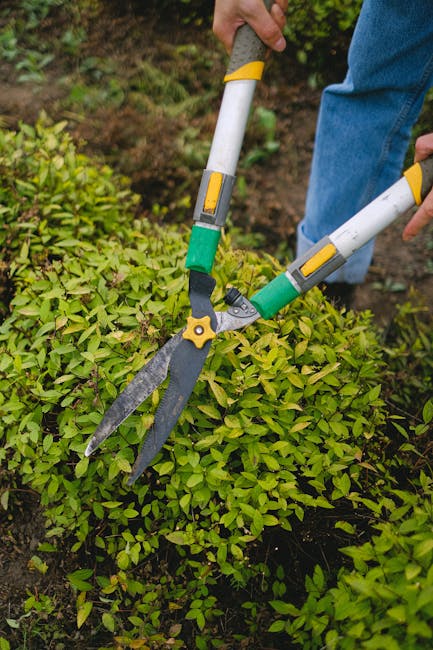
- hedge trimmers for regular shaping;
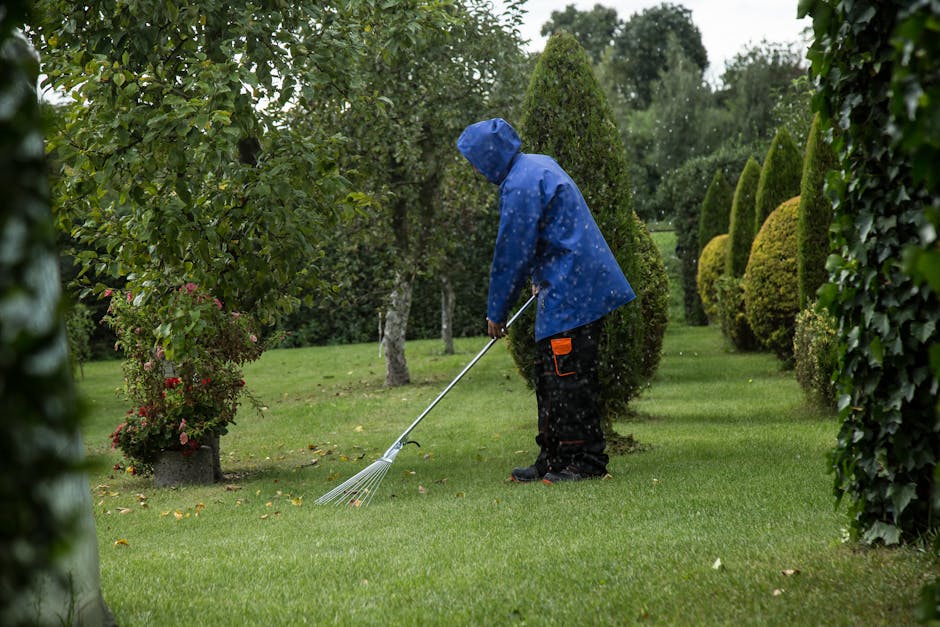
- a rake for leaves and loose debris;
- a fork or aerator for compacted lawn areas;
- gloves, waste bags, and a sturdy bucket or barrow;
- path and patio cleaning tools for slippery surfaces.
For a fuller look at the practical side of gardening equipment, the article on essential gardening tools is a sensible place to start. If you are also working on a lower-maintenance setup, the ideas in budget-friendly low-maintenance gardening ideas can help you reduce future work without making the garden bland.
Maintenance also gets easier when the planting scheme suits the space. If your garden is shaded, windy, or overlooked, you may need different plants from those in a sunnier, more sheltered plot. Useful reading on that wider planning side includes evergreen climbers for shade and hedges for privacy and structure.
Law, Compliance, Standards, or Best Practice
For most home gardens, regular maintenance is guided less by complicated rules and more by sensible best practice. That said, a trusted gardener should still work with care, especially where safety, access, waste handling, and plant health are concerned.
In the UK, it is normal to expect clear communication about the scope of work, safe use of equipment, responsible disposal of green waste, and awareness of nearby people, pets, or vulnerable surfaces. If work involves ladders, power tools, tree work, or potentially hazardous access, it should be approached with proper precautions. The same goes for wet patios, steep slopes, and overgrown corners where hidden obstacles can create slip or trip hazards.
It is also sensible to choose a provider that is transparent about policies and expectations. Pages such as health and safety policy, insurance and safety, terms and conditions, and payment and security are useful trust signals because they help you understand how work is handled before anything begins.
Best practice also means being realistic about plant care. Not every issue should be forced into a quick fix. Some plants recover better with careful staging, some hedges respond best to lighter routine trimming, and some lawns need a repair period rather than repeated cutting. Good gardeners tend to say "let's do this properly" rather than "we can sort everything in one go." Usually, that is the wiser approach.
Options, Methods, or Comparison Table
If you are deciding how much maintenance support you need, it helps to compare the most common approaches. The right option depends on budget, garden size, and how hands-on you want to be.
| Option | Best for | Pros | Trade-offs |
|---|---|---|---|
| One-off tidy-up | Overgrown or neglected gardens | Fast reset, immediate visual improvement | Does not keep the garden maintained long term |
| Regular maintenance visits | Homeowners wanting steady control | Prevents problems, keeps growth manageable | Requires ongoing commitment |
| Seasonal maintenance | Smaller gardens or lower-growth plots | Flexible, cost-conscious | More manual work may be needed between visits |
| Maintenance plus specialist services | Gardens with hedges, lawns, trees, or hard landscaping | More complete care, better results across the whole space | May involve more planning and coordination |
In many Enfield Lock gardens, a mixed approach works best. Routine maintenance keeps things moving, while occasional specialist help covers the jobs that need a different skill set, such as tree work, fence repairs, or major landscaping. If you are weighing those choices, the related pages on lawn mowing, tree surgery, fencing, and landscaping can help you think through the bigger picture.
Case Study or Real-World Example
Here is a realistic example. A homeowner in Enfield Lock had a medium-sized back garden that looked fine in early spring but kept slipping into disorder by midsummer. The lawn was cut only when there was spare time, the hedge had become wider than intended, and weeds were repeatedly returning along the edge of the patio. Nothing was wildly broken. It was just gradually getting away.
The fix was not dramatic. The first visit focused on a clean reset: edging, weeding, hedge shaping, lawn correction, and clearing the patio so it stopped looking patchy and dull. After that, the garden moved to a regular plan with lighter but more frequent visits. The biggest change was not just visual. The owner started using the space again in the evenings, because it felt manageable. The smell of cut grass, the clean lines along the borders, even the sound of a mower finishing its pass - those little details made it feel like a proper garden again.
That sort of outcome is common when maintenance is consistent. It is not about perfection. It is about keeping the garden usable, healthy, and pleasant to live with. Truth be told, most people are not asking for a magazine garden. They just want one that does not feel like a second job.
Practical Checklist
Use this checklist if you are planning regular maintenance or comparing gardeners.
- Have you identified the main problem areas in the garden?
- Do you know whether the lawn needs mowing only, or fuller lawn care?
- Are hedges, shrubs, and climbers being checked often enough?
- Do the borders need weeding, mulching, or soil improvement?
- Are patios, paths, and decking safe and clean enough to use?
- Is the maintenance plan seasonal, or does it stay the same all year?
- Has the gardener explained what is included and what is not?
- Are waste removal and garden debris handling clear?
- Do you know how to get a quote and what the next step is?
- Have you reviewed the provider's trust pages and service information?
If you are still weighing things up, the pricing and quotes page can help set expectations, while about us can give you a clearer sense of the people behind the service.
Conclusion
Regular garden maintenance is one of those services that quietly pays for itself over time. You get fewer surprises, less overgrowth, healthier plants, and an outdoor space that feels ready to use rather than ready to be rescued. For homeowners looking for Trusted gardeners Enfield Lock regular garden maintenance, the main thing is not just finding someone who can do the work, but someone who understands the rhythm of the garden and keeps showing up with the right level of care.
To be fair, that consistency is the whole point. A good gardener does not just tidy. They help the garden stay in balance, week after week, season after season. And once that balance is there, everything else feels easier.
Get a free quote today and see how much you can save.
If you are ready to talk through your garden's needs, the best next step is simple: make contact, explain what is happening in the space, and ask what a sensible maintenance plan would look like. A good conversation at the start can save a lot of hassle later, and often a lot of money too.
Frequently Asked Questions
What does regular garden maintenance usually include?
It usually includes recurring tasks such as mowing, edging, weeding, hedge trimming, pruning, deadheading, and general tidying. Some gardens also need patio or path cleaning, light soil care, or seasonal preparation.
How often should a garden in Enfield Lock be maintained?
That depends on the size of the garden, the plant types, and the season. Many gardens need more frequent attention during spring and summer, while autumn and winter may involve fewer but still important tasks.
Is regular maintenance better than one-off garden tidy-ups?
For most homes, yes. One-off work is useful for a reset, but regular maintenance prevents the garden from drifting back into neglect. It is usually easier, neater, and more cost-effective over time.
Can regular maintenance help an overgrown garden recover?
Yes, provided the work is done in a sensible order. A badly overgrown garden may need a first-stage tidy-up, followed by a regular plan so it does not slide back again. Rushing everything at once is not always the answer.
Do I need lawn care as well as mowing?
Often, yes. Mowing keeps the grass tidy, but lawn care addresses the condition of the grass itself. If you have thin patches, moss, compaction, or poor colour, lawn care can make a real difference.
What should I look for in trusted gardeners in Enfield Lock?
Look for clear communication, a sensible maintenance plan, good local knowledge, transparent pricing, and useful trust pages such as insurance, health and safety, and terms. A gardener should explain what they will do, not just say they can do everything.
Will regular maintenance stop weeds completely?
No garden stays completely weed-free forever, and anyone promising that is being a bit too bold. But regular maintenance greatly reduces weed growth and makes any outbreaks easier to control.
Can regular maintenance improve privacy and structure?
Yes. Hedges, climbers, and well-kept shrubs can create shape and screening. If privacy is important, a maintenance plan may work alongside hedge care and planting choices that support a more enclosed feel.
Is garden maintenance useful in winter?
Definitely. Winter work often focuses on protection, clearing, and preparation. It is also the time when smart maintenance can prevent damage from damp weather, frost, and strong winds.
How do I know whether I need landscaping instead of maintenance?
If the garden is fundamentally poorly laid out, has damaged structures, or needs a major redesign, landscaping may be more appropriate. If the garden is broadly fine but needs ongoing care, maintenance is the better fit.
Can maintenance be adjusted for dogs or children?
Yes. A good gardener can prioritise safer surfaces, clearer paths, durable planting, and lower-risk layouts. If that is a concern, the article on gardens for dogs and humans is a useful related read.
How do I get started?
The simplest first step is to ask for an assessment of the garden and a maintenance plan that matches its real condition. You will get better results when the work is based on what the garden needs, not a one-size-fits-all routine.